
Costa Rica Real Estate: Flipping vs Holding in 2024
Both strategies can work, but the devil's in the details when considering Costa Rican properties.
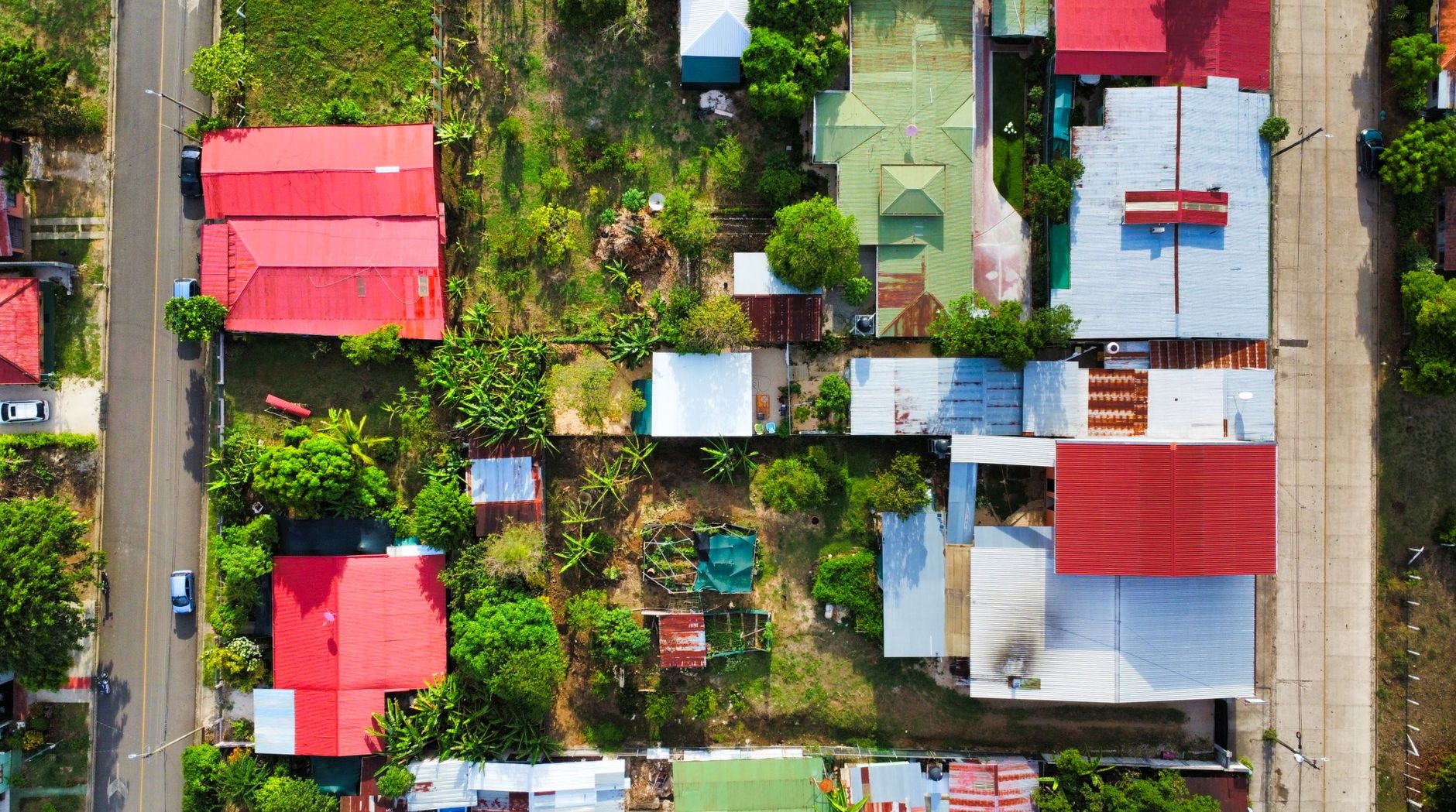
Costa Rica isn’t just Pura Vida and picturesque beaches. I’ve been here since 2014, bought, sold, and watched the market evolve. People often ask me, 'Is it better to flip or hold properties here?' Let's break it down with real numbers and insights.
Can You Still Flip in Costa Rica?
Flipping isn’t impossible, but it’s no walk in Parque Nacional. The days of quick, easy profits are mostly gone. Renovation costs aren’t cheap, either. Expect to spend $70-$100 per square foot for quality work.
The market is hot in areas like Guanacaste. There, you might find opportunities. But you need deep pockets—typically $300,000 just to enter the game. And remember that flipping here usually takes longer. You're not in San Francisco with two-week turnover rates. Plan on 6-12 months, at least.
Here’s what nobody tells you: navigating bureaucracy like getting permits from INVU can add months to your timeline. Also, check out homes for sale in Guanacaste for current listings that might have potential.
Is Holding Better?
Holding can be a safer bet, but it comes with its own set of challenges. The Costa Rican market rewards patience. Property values have been steadily increasing, around 5% per year. It’s not the explosive growth of a place like Miami, but it’s reliable.
Renting is a viable income stream. In tourist-heavy spots like Tamarindo, short-term rentals can bring in $1,500-$3,000 per month during high season. But heads up: vacation rental regulations are tightening. Make sure you’re compliant with local laws.
And then there's the capital gains tax: 15%. If you’re thinking of selling in the future, factor that in your profit calculations. Holding a property for the long term means dealing with the Registro Nacional for property title upkeep. It can be tedious.
The Costs You Don’t See
Buying property isn’t just about the sticker price. Closing costs can surprise newcomers, adding around 3-5% to your property’s price. Then there’s the 13% VAT on all construction work. Keep a cushion for surprise expenses.
Property insurance isn't hugely expensive—around $2 per $1,000 of property value annually—but it’s another cost to budget for. Maintenance is crucial. The tropical climate can be harsh on properties. Think of mold and humidity issues. Regular maintenance is a must, not an option.
How Do You Decide?
If you’re flipping, know your market inside out. Study comps, talk to local agents—don’t just pick a property because it’s cheap. When holding, pick locations with consistent tourism and infrastructure growth.
Check out the properties available for sale to start getting a feel for the market. If you're serious, feet on the ground research beats online window shopping.
Timing Is Everything
Both strategies have their own timing. Flipping requires a good sense of the market trajectory. Holding needs a long-term view and tolerance for waiting. Neither strategy is quick money. Both require commitment, patience, and hard work.
So, does the Costa Rican market reward flipping or holding? It depends. Your risk tolerance, investment amount, and time frame will determine your best path.
Final Thoughts
Costa Rica offers opportunities but not without challenges. Whether you flip or hold, get ready to do your homework and roll up your sleeves. The market can reward you, but don’t expect it to be easy. No matter your choice, Costa Rica’s charm makes the effort worthwhile.
Browse every for-sale and rental listing in Costa Rica on one map, in English or Spanish.