
Leaving Land Empty in Costa Rica? Don’t Treat the 10-Year Rule as a Safety Net
An absentee owner’s best protection is clear title, paid municipal taxes and someone reliable who actually visits the property.
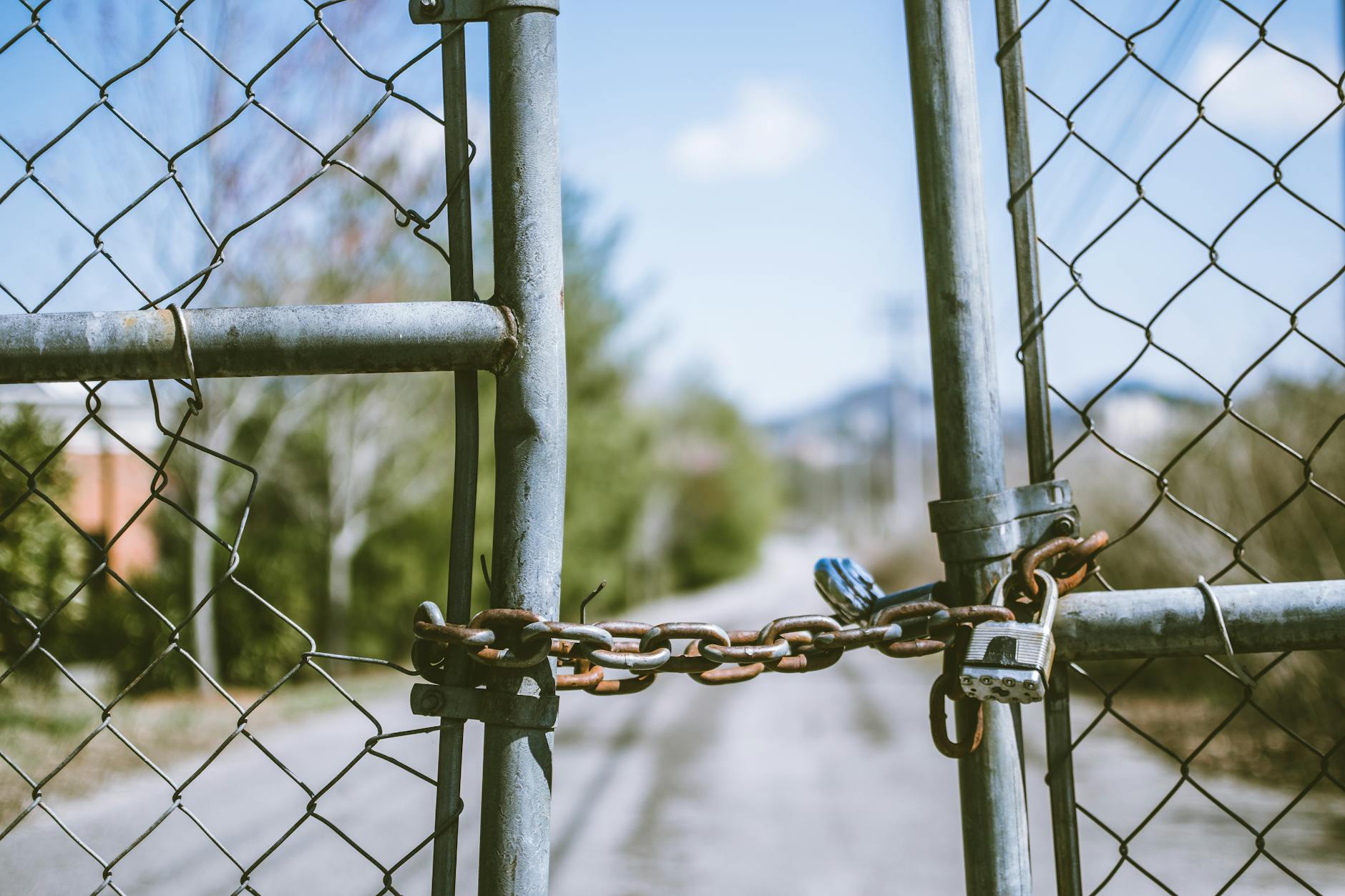
A neighbor sends you a WhatsApp photo from Ojochal. There is a new gate on your land, washing behind a wooden shelter, and someone telling visitors the property belongs to his uncle.
You are in Toronto. Your last visit was 18 months ago.
Now what?
I moved to Costa Rica in 2014, and I have bought and sold here. My blunt opinion: land you cannot regularly inspect needs a management budget from the day you buy it. Cheap acreage can become an expensive responsibility.
Buyers repeat a warning that captures a real fear: unwatched, unfenced, tax-delinquent land invites squatters, who gain occupation rights within a year and title after ten. They also worry about fraud rings targeting vacant-looking parcels.
Take the risk seriously. But do not treat that sentence as a reliable statement of Costa Rican law. The one-year and ten-year claims compress different legal issues into a dangerously tidy countdown.
Can squatters get rights after one year and ownership after ten?
Occupation, possessory protection and registered ownership are different things.
Depending on the facts and the applicable proceedings, a person in possession may have access to legal protections before having any ownership claim. The one-year warning often refers loosely to possession-related rules or procedural deadlines. It does not mean every trespasser receives an automatic right to stay after 365 days.
And ten years is not a magic transfer date.
Costa Rica’s ordinary civil framework for acquiring real property through prescription generally involves ten years plus conditions including qualifying possession, good faith and just title. Simply occupying someone else’s registered parcel for a decade does not automatically satisfy those conditions.
Agrarian disputes, unregistered land, concession property and public land can raise different questions. A lawyer needs to identify the land’s legal status before telling you which rules apply.
Do not wait.
If someone starts occupying your property, get Costa Rican legal advice immediately. The useful questions are specific: What happened? When? What evidence exists? Which remedy fits? A criminal complaint, a civil possession action and an agrarian proceeding are not interchangeable.
Does unpaid property tax make my land easier to claim?
Unpaid taxes do not give a stranger ownership. Paying your taxes does not physically protect your land either.
But arrears are a warning that nobody is administering the property. They can also create collection problems and complicate a sale. An overgrown entrance, missing fence and years of municipal debt together tell an unpleasant story: the owner may not be paying attention.
The general annual municipal real estate tax rate is 0.25% of the taxable property value, subject to applicable exemptions. On a taxable value of ₡80,000,000, that is ₡200,000 a year, before other municipal charges.
Use the municipality’s actual statement. Your purchase price and taxable value are not necessarily identical.
If you budget in dollars, check the relevant BCCR exchange rate when making your calculation. A fixed dollar estimate can leave a colón balance unpaid.
Ask for payment receipts and an account statement showing what remains due. “The caretaker handled it” is not documentation.
What should I check before buying absentee-owned land?
Start with the Registro Nacional. Have an independent Costa Rican lawyer and notary examine the registered owner, liens, annotations, easements and the cadastral plan. If a company owns the property, verify who can legally act for it.
Then walk it.
A registered plan does not tell you who is sleeping in a shed, grazing cattle across a boundary or using an access track. Hire a licensed surveyor when boundary placement is uncertain. Ask neighbors who uses the land, but treat their answers as leads to investigate.
Check legal access separately from physical access. A road you can drive today may cross another owner’s property without the rights you assumed existed.
For coastal purchases, establish whether you are buying titled property or concession rights in the maritime zone. For development plans, check municipal land-use requirements and any applicable INVU requirements. Neither a municipal document nor an INVU approval substitutes for checking ownership.
Location deserves the same skepticism. The listing titled La Garita, Tamarindo, Guanacaste 50309, advertised at US$550,000 illustrates why I want a map pin and registry details: its title refers to Tamarindo, while its page address places it under La Cruz. Resolve that discrepancy before planning inspections or calculating management costs.
How do I protect land when I live abroad?
Make responsibility visible and specific. You need a named person, written duties and evidence that the duties were completed.
My minimum arrangement would cover:
- Regular physical visits, with additional checks after reports of entry or storm damage.
- Dated photographs of access points, boundaries and existing buildings.
- Fence, gate and drainage maintenance appropriate to the site.
- Municipal tax tracking, receipts and a shared document folder.
- Immediate reporting of new structures, changed locks, unfamiliar occupants or boundary disputes.
A monthly visit might suit one accessible property. An isolated parcel with an active dispute may need much closer attention. Price the work around the risk.
Ask for quotes that separate inspections, travel, vegetation clearing and repairs. A ₡40,000 inspection arrangement and a ₡200,000 maintenance budget are different services, not interchangeable promises of “looking after the place.” Those figures are budgeting examples, not local rate claims.
Use traceable payments through Banco Nacional or another bank. Keep invoices. Give the manager limited authority appropriate to the job, and have a lawyer review any power of attorney.
A fence helps establish boundaries and discourage casual entry. It does not cure defective title, and it should never block a lawful easement.
Can a caretaker become part of the problem?
Yes. A good caretaker is valuable. A vague arrangement can become a dispute about housing, work, payment or permission to use the land.
Here's what nobody tells you: allowing someone to live on the property can create more administration than leaving it empty. You need to document why they are there, what they may use and what happens when the arrangement ends.
Have a local lawyer structure the agreement around the actual relationship. Calling an employee a contractor or an occupant a caretaker does not settle their legal status.
Avoid verbal deals such as “stay here free and keep an eye on things.” Define compensation, access, permitted activities and reporting. Address additional occupants and construction explicitly.
And check independently. If the only person confirming that everything is fine is the person living there, you have one source of information.
What should I do if someone has already moved onto my land?
Document first. Contact counsel promptly.
Save photographs, messages, inspection reports, registry documents, tax receipts and evidence of when occupation began. Ask witnesses to record what they personally observed, with dates.
Do not send workers to remove people, demolish a shelter or cut utilities. You can turn an ownership problem into a separate legal problem through your own actions.
Ask your lawyer which authority and procedure apply, what deadlines matter and what immediate protective measures are available. If there is an immediate threat or violence, contact emergency services.
Be precise about permission. Someone who entered without consent presents different facts from a former tenant or a worker you allowed to stay.
How is title fraud different from squatting?
Squatting concerns occupation. Title fraud can involve forged documents, impersonation or unauthorized transactions. Your parcel can look untouched while its legal position changes.
Vacant-looking land may attract criminals who expect an absent owner to notice slowly. A locked gate will not stop a fraudulent document.
Discuss available Registro Nacional alert services with your notary and arrange periodic registry checks. Investigate unfamiliar filings promptly. Protect identity documents and avoid broad powers of attorney issued merely for convenience.
Keep two checks running: someone looks at the land, and someone qualified looks at the record.
Can choosing a different property reduce the management burden?
Absolutely. A property near reliable services may cost more upfront and less to supervise. Remote acreage reverses that equation surprisingly often.
Compare homes for sale in Puntarenas with homes for sale in Guanacaste through that practical lens. Who can reach the gate? What happens in heavy rain? How far must a manager travel?
The cabin with direct river access near Platanillo, advertised at US$225,000 prompts useful questions about access, river setbacks, boundary visibility and supervision between visits. The listing price alone cannot answer them.
The value of costaricarealtor.com is the whole market, every home counted once, and current prices in one verified bilingual search. That makes comparisons easier. It does not replace legal due diligence or a physical inspection.
Our practical role extends beyond the search: we help owners keep land watched, titled and tax-current and connect them to trustworthy local management. Ask what that management includes, who performs it and what it costs. A referral still needs a written scope.
In November 2026, my buying advice remains plain: choose land you can afford to own attentively. The purchase closes once. The responsibility continues.
Frequently asked questions
Can someone legally take my Costa Rica land after one year?
One year of occupation does not automatically transfer ownership. Possession rules and procedural deadlines may still matter. Get legal advice as soon as unauthorized occupation appears.
Does paying property taxes prevent adverse possession?
No. Tax receipts support responsible ownership, but they do not replace physical oversight, sound title or timely legal action. Keep both municipal payments and inspection records current.
What should an absentee owner arrange first?
Get a current registry review, confirm municipal balances and appoint someone to inspect the property. Put reporting duties in writing and require dated photographs of each visit.
Market data point: the median asking price in Costa Rica is $316,192 across 78,439 active for-sale listings (CostaRicaRealtor.com Price Index, November 2026).
Browse every for-sale and rental listing in Costa Rica on one map, in English or Spanish.