
Your Costa Rica Lot Can Be Stolen on Paper Before Anyone Builds a Fence
An absentee owner needs more than a registered deed: watched boundaries, current taxes and someone ready to act locally are the practical defenses against occupation and property fraud.
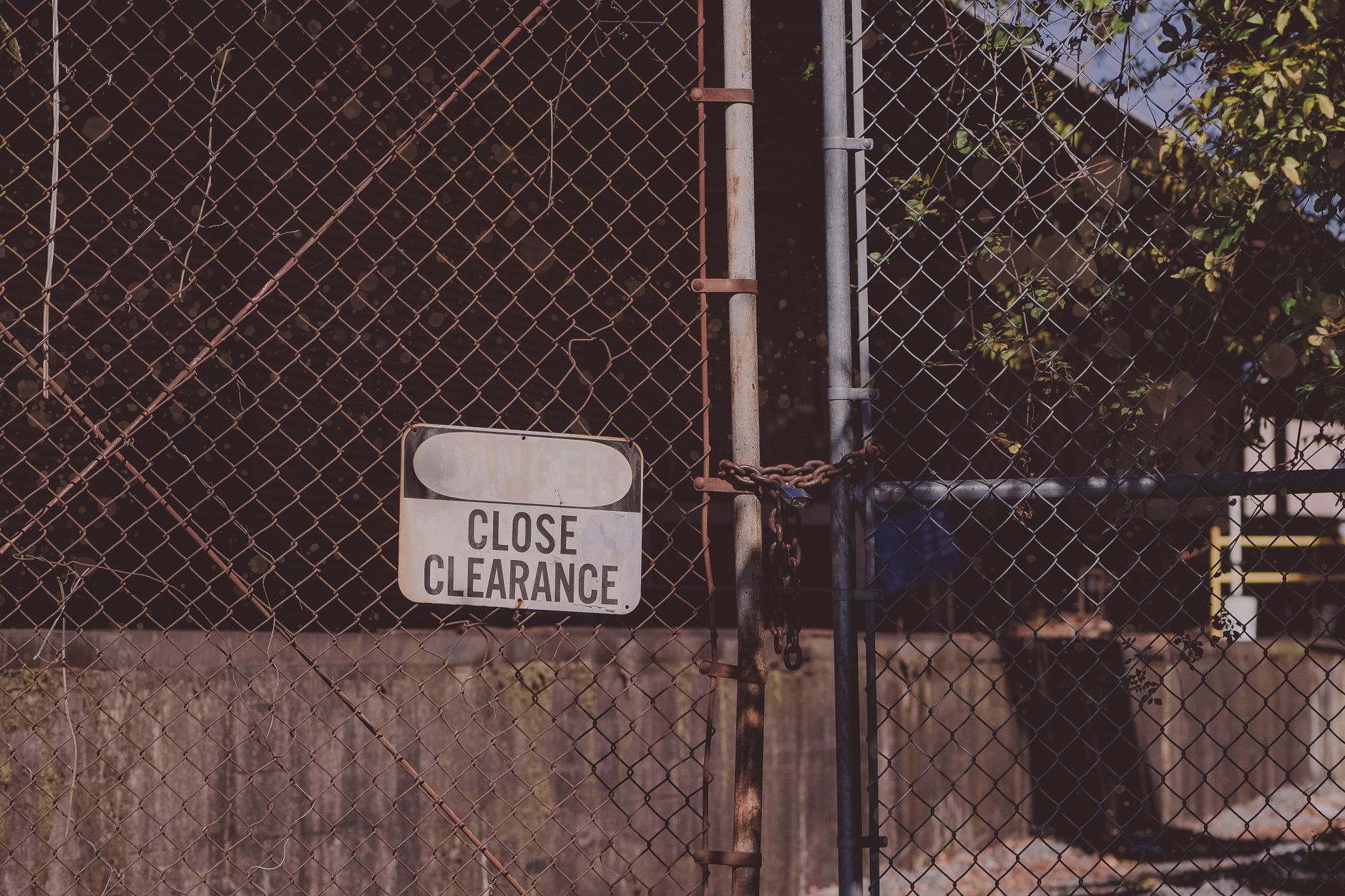
A neighbor sends you a photo from Orotina. Your lot has a new gate, a tin-roofed shelter and somebody’s washing hanging between two trees. You’re in Toronto. Your last visit was 18 months ago.
Now what?
I moved to Costa Rica in 2014, and I’ve bought and sold here. My blunt opinion: buying land is the easy transaction. Keeping control of it while living somewhere else is the ongoing job people underestimate.
An empty parcel outside Atenas can look like a modest investment on a spreadsheet. On the ground, somebody needs to know where its boundaries are, who belongs there and what changed last Tuesday.
Can squatters get rights after one year and ownership after ten?
Buyers regularly bring me some version of this warning: unwatched, unfenced, tax-delinquent land invites squatters, who gain occupation rights within a year and title after ten. They also worry that fraud rings target vacant-looking parcels.
The concern is legitimate. The timeline needs correcting.
There is no universal rule giving a trespasser ownership rights on day 365. Possession can receive legal protection separately from ownership, and the availability and deadlines of possession-related remedies depend on the facts. A year is not a safe waiting period, either.
The ten-year claim comes from acquisitive prescription, often called adverse possession in English. Under Costa Rica’s ordinary civil-law framework, acquiring real property through prescription generally requires more than elapsed time: qualifying possession, good faith and legally sufficient grounds for ownership, commonly described as justo título, matter. Possession must also meet conditions such as being public, peaceful and continuous.
Ten years alone does not turn a knowingly unlawful occupation into a valid deed. Registered ownership, competing documents and the applicable legal regime can change the analysis substantially.
And coastal concession land, public land and certain rural land disputes raise different issues. Have a Costa Rican property litigation lawyer assess the actual parcel. Don’t build your protection plan around a sentence from a Facebook group.
Does paying property tax protect my land from squatters?
Pay the tax. Keep the receipts. But understand what those receipts prove.
Municipal property tax is generally 0.25% annually of the applicable registered taxable value. At a taxable value of ₡40,000,000, that is ₡100,000 a year, before other municipal charges or applicable taxes.
That payment helps keep your municipal account current. It does not physically secure the property, cure a defective title or automatically defeat somebody else’s possession claim. Nor does a stranger become the owner merely by paying your bill.
Tax delinquency adds debt and potential collection problems to an already neglected asset. An overgrown entrance, unanswered notices and years of unpaid charges are a bad combination.
Request an account statement directly from the relevant municipality. If you pay through Banco Nacional, confirm that the payment reached the correct municipal account and property. A bank transfer screenshot is useful, but an updated municipal balance is better.
For a dollar budget, use the BCCR exchange-rate reference as context and check the actual conversion applied by your bank. Your colón obligation does not shrink because your spreadsheet uses dollars.
What should I check before leaving Costa Rica?
Start with the Registro Nacional. Obtain current registry information and have your lawyer explain the registered owner, property identifier, annotations, liens and other recorded interests.
Then compare the registered information and cadastral plan with the land itself. A registered plan is not proof that the fence follows the correct boundary. Hire a licensed surveyor if corners, access or neighboring occupation are unclear.
I would want these six things settled before boarding a flight:
- Title checked. Confirm ownership and investigate unfamiliar filings or discrepancies.
- Boundaries identified. Photograph surveyed markers, fences, gates and access points.
- Municipal balance confirmed. Obtain receipts and record payment deadlines.
- A local contact appointed. Put inspections, reporting and spending authority in writing.
- Access controlled. Record who has keys and why they may enter.
- A lawyer reachable. Keep someone’s direct contact details before a dispute begins.
For development plans, get the municipality’s land-use information and investigate relevant INVU requirements. Neither a tax receipt nor a clean title promises permission to build.
How often should someone inspect an absentee-owned lot?
There is no inspection interval that guarantees protection. Choose one based on access, nearby activity, prior problems and how quickly someone could establish an occupation.
For an accessible vacant lot near Grecia, I would start with documented weekly visits and adjust after discussing local conditions. A remote parcel may require a different arrangement, but remoteness is no excuse for six months of silence.
Ask for dated photographs from consistent locations. Include gates, boundary markers, access roads and any new structures. The report should identify changes, not merely say “all good.”
Budget honestly. As an illustration, a $100 monthly inspection arrangement costs $1,200 annually. That is arithmetic, not a Costa Rica service quote. Cutting vegetation, repairing fences, travel and emergency attendance may cost extra.
A fence helps show boundaries and makes casual entry harder. It is not legal armor. Cameras help where power, signal and maintenance allow them to work.
And talk to neighbors. They often spot a delivery of roofing sheets before a scheduled inspection does. Pay someone to take responsibility rather than quietly assigning the job to a friendly neighbor.
Can a caretaker become part of the problem?
Here’s what nobody tells you: the person hired to watch the land can create a second problem if nobody defines their permission to use it.
“Stay there and keep an eye on things” is a poor arrangement for a valuable asset. Housing, wages, farming, storage and permission to invite relatives all need clear terms.
Have a local lawyer document the relationship accurately. Employment, tenancy and permission to occupy are different arrangements, with different consequences. Calling someone a caretaker does not settle their legal status.
Specify permitted activities, payment, reporting, visitors, improvements and what happens when the arrangement ends. Keep records of payments and communications.
But paperwork needs supervision. If your caretaker starts renting space to someone else, you need to hear about it promptly.
How do criminals target vacant-looking property?
Physical occupation and title fraud are separate risks. You can have one without the other.
Fraud may involve impersonation, forged documents or misuse of powers of attorney. An absent owner and a neglected-looking parcel can give criminals reason to expect a slow response.
Have your lawyer explain available Registro Nacional monitoring or alert options and their limits. Review registry information periodically and investigate unexpected activity immediately. Alerts are warnings, not insurance.
Keep identity documents and original transaction records secure. Grant powers of attorney narrowly, with professional advice, and review whether older authorizations remain necessary.
If a company owns the property, keep its legal representation and applicable obligations current too. A corporation is not a substitute for oversight.
Is a managed home easier to own from abroad than vacant land?
Often, yes. Usually, it also costs more to carry.
Compare homes for sale in San José with homes for sale in Heredia before assuming a cheap rural lot is your simplest option. Consider management, access, maintenance and who will notice trouble.
The listed US$425,000 Casa Guachipelin 183 in Escazú gives you a concrete purchase comparison. Its listing alone does not establish security arrangements, management quality or ownership costs. Those require checking.
If you are moving a business as well, the US$2,050 consultorio rental in Pinares raises another practical option: rent operating space while learning the area before committing to land. Confirm the rental period, permitted use and additional charges.
The useful result of one verified bilingual search at costaricarealtor.com is a whole-market picture, every home counted once and current asking prices. No search should be treated as proof that every privately offered property is represented, or that an asking price equals market value.
Our role extends beyond comparison: we help owners keep land watched, titled and tax-current and connect them to trustworthy local management. Owners should still check references, agree on written duties and retain independent legal advice.
What should I do if someone occupies my property?
Act promptly. Don’t confront them.
Ask your lawyer to assess the available criminal, civil or other applicable remedies immediately. Contact police if there is an immediate threat or crime in progress. Do not assume officers can resolve a disputed ownership or possession claim on the spot.
Preserve photographs, inspection reports, registry records, tax receipts, messages and witness details. Establish when the occupation was first observed without inventing certainty about when it began.
Do not demolish structures, remove belongings or cut services to force somebody out. Taking matters into your own hands can complicate your case and expose people to harm.
The best absentee ownership arrangement is fairly boring. Somebody checks. Somebody reports. Bills get paid. Changes get challenged quickly.
Frequently asked questions
Do squatters automatically own land after ten years in Costa Rica?
No. Time alone is insufficient. Prescription requires specific legal conditions, and the property’s status and evidence matter. Get advice on the actual case.
Will a fence and paid taxes stop an occupation claim?
No guarantee. They support responsible ownership, but neither replaces inspections, clear occupation agreements or prompt legal action.
What records should an absentee owner keep?
Keep current registry information, the cadastral plan, municipal statements, payment receipts, inspection photographs and written management agreements. Give your lawyer and local representative reliable contact details.
Market data point: the median asking price in Costa Rica is $339,275 across 84,534 active for-sale listings (CostaRicaRealtor.com Price Index, October 2026).
Browse every for-sale and rental listing in Costa Rica on one map, in English or Spanish.