
New Build vs Resale in Costa Rica: What 12 Years and Two Builds Taught Me
A relocation consultant who has built twice and bought resale three times breaks down the real costs, timelines, and the water-letter trap that stalls new construction.
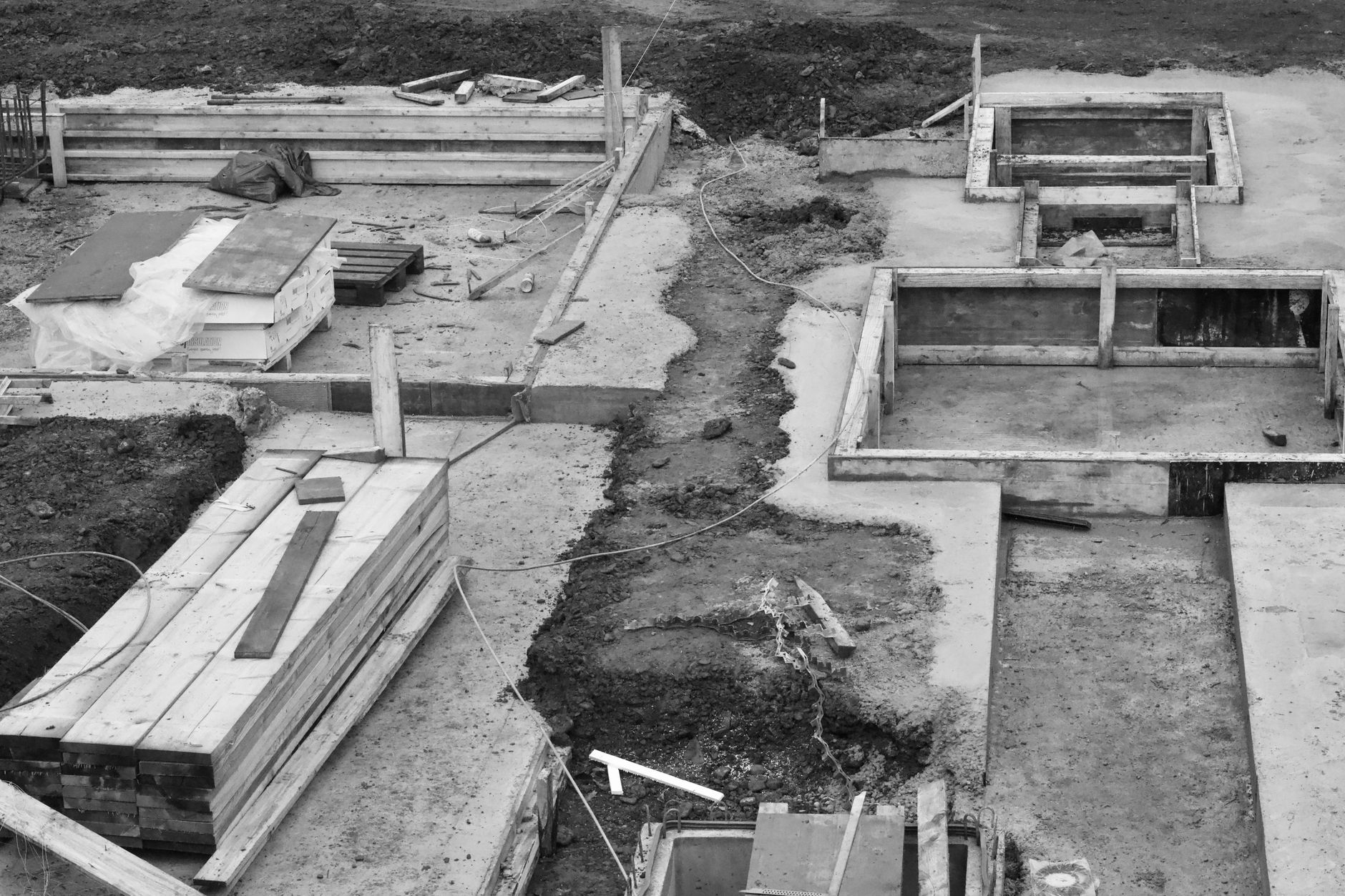
I poured a foundation in Playa Potrero in March 2017 and then watched it sit untouched for five months. Not for lack of money. Our water availability letter expired while the Municipality of Santa Cruz and our ASADA argued over a road easement nobody had looked at since 1998. The concrete cured. My patience did not.
That project taught me more about the build-versus-buy question than any spreadsheet. Since moving here in 2014 I've built twice, bought resale three times, and sold four properties. So when someone emails asking whether to build new or buy existing in Costa Rica, my honest answer is: it depends on how much you value your time, and how much risk you can carry without losing sleep.
Here's how the tradeoffs actually break down in 2026.
What does it really cost to build in Costa Rica right now?
Forget the "build for $600 a square meter" numbers still floating around forums. Maybe in 2012. For expat-grade construction on the Guanacaste or Puntarenas coast in 2026, budget $1,400 to $2,000 per square meter for the house itself. A simpler inland build can come in around $900 to $1,100, but that means block walls, basic finishes, and no A/C ducting.
Then the add-ons start. The municipality charges roughly 1% of declared construction value for the building permit. CFIA fees (the engineers and architects college) for plans, permitting, and inspections typically run another 4% to 6% under a standard professional services contract. Site work is the wild card. I've watched lot prep on a sloped ocean-view parcel eat $80,000 before a single wall went up. Retaining walls are not optional in the rainy season. Ask me how I know.
And materials and labor are largely priced in colones while your money is probably in dollars. With the BCCR reference rate hovering around ¢505 to the dollar, a strong colón quietly inflates your build cost in dollar terms. You carry that exchange-rate risk for the full 18 to 24 months of a project. A resale buyer carries it for about 60 days.
Why does resale close in 60 days while a new build takes two years?
A clean resale transaction here is genuinely fast. Your attorney pulls the title at the Registro Nacional, checks liens and annotations, confirms the plano catastrado matches what's on the ground, and you close in 45 to 90 days. Closing costs land around 3.5% to 4% of purchase price: 1.5% transfer tax, roughly 0.85% in stamps, and legal fees of 1% to 1.5%.
A new build stacks timelines you don't control. Architectural plans take 2 to 4 months. Permits through CFIA's APC system and the municipality take 3 to 6 months if everything is clean, longer if SETENA environmental review gets involved. Construction itself runs 10 to 14 months for a decent-sized home. Then comes the punch list, which in my experience never takes under two months because your builder has already started someone else's project.
So the real comparison is a home producing rental income in month two versus your cash earning nothing for two years. On a $700,000 budget, that opportunity cost alone can reach $70,000 to $100,000 in lost rental revenue in a market like Tamarindo or Flamingo.
Here's what nobody tells you: the water letter can kill your build
You can own titled land in Costa Rica, free and clear, properly registered at the Registro Nacional, and still not be allowed to build on it. No carta de disponibilidad de agua, no building permit. Full stop.
In much of Guanacaste, water comes from ASADAs, community-run associations with limited capacity. Some coastal ASADAs stopped issuing new letters years ago. Sellers of raw land almost never volunteer this. I watched a buyer sit on a gorgeous lot near Brasilito for three years waiting on water availability. His architect got paid. His builder didn't.
If you're buying land to build, make the water letter a condition of closing, not a to-do item afterward. A parcel like this lake-view acreage in Tilarán listed at $360,000 is exactly the kind of property where you verify water and the uso de suelo certificate during due diligence, before your deposit goes hard.
When does resale actually win?
Most of the time, honestly, for most buyers.
You see exactly what you're getting. The landscaping is mature. The ASADA connection or well already exists. The pool leaks were found by someone else. And in established areas, resale often prices below replacement cost. Look at Flamingo Estates in Cabo Velas at $1,550,000. Try duplicating that house on a comparable lot today. Between land, construction at current rates, and two years of carrying costs, you'd likely spend more and wait longer.
Resale can also mean rental history. A property like Rancho Coco, also in Cabo Velas, at $1,490,000 can show you actual occupancy numbers instead of a developer's projection. Projections are marketing. Tax returns are data.
The catch? Inspect hard. Costa Rica has no mandatory disclosure regime like the US. Humidity is brutal on wiring and roofs, and plenty of older coastal homes went up without permits or with creative septic systems. Pay the $500 to $800 for a thorough inspection. It's the best money in the whole transaction.
When does building win?
Build when the product you want doesn't exist. Homes with real insulation, proper cross-ventilation, solar sized correctly, quality glazing on exposed ridgelines. That inventory is thin here. If you have specific needs, or you found a lot with a view resale can't touch, building makes sense.
Build also when you're patient and present. If you can visit the site weekly, or hire a project manager you trust (budget 8% to 12% of construction cost for a good one), quality goes way up. Absentee builds go wrong. Not always. But often enough that I tell clients: don't build from Toronto.
What about financing?
Short version: bring cash or expect friction. Banco Nacional and BCR do lend to legal residents, but you'll need Costa Rican income history, and dollar-denominated rates have been running 8% to 10% when available at all. Construction loans are harder still, disbursed in stages against inspections. Most expats build with cash, seller financing on the land, or developer financing on pre-construction. Pre-construction can work. But vet the developer's completed projects, not their renderings.
So which should you pick?
If your goal is income or a livable home within a year, buy resale. Start with the current inventory of homes for sale in Guanacaste or homes for sale in Puntarenas, inspect aggressively, and negotiate on whatever deferred maintenance you find. If your goal is a specific house on a specific hill, and you have two years plus a 20% contingency fund, build. Verify water first. Budget honestly. Be here for it.
I've done both. The resales made me money faster. The build is the one I still live in. Neither felt easy, and anyone selling you "easy" in Costa Rica real estate is selling you something else too.
Frequently asked questions
How much are closing costs on a resale home in Costa Rica?
Plan on 3.5% to 4% of the purchase price: a 1.5% government transfer tax, about 0.85% in registry stamps, and attorney and notary fees of 1% to 1.5%. Buyers customarily pay them, though it's negotiable in the purchase agreement.
Can a foreigner get a construction loan from a Costa Rican bank?
With legal residency and local income history, yes in theory. In practice, rarely. Dollar rates run 8% to 10% when offered, and construction loans disburse in stages against inspections. Most foreign buyers build with cash or use seller or developer financing.
Do new homes in Costa Rica come with a builder's warranty?
Builders carry legal responsibility for structural defects for years under the Civil Code, but enforcing that means litigation. Your real protection is contractual: staged payments tied to milestones, a 5% to 10% retention held until punch-list completion, and CFIA-registered professionals on record for the project.
Browse every for-sale and rental listing in Costa Rica on one map, in English or Spanish.