
Pre-Construction Condos in Costa Rica: 8 Risks the Sales Office Won't Mention
I've watched towers stall, titles arrive a year late, and deposits vanish into developer accounts, so here is the pre-construction risk list I actually use with clients.
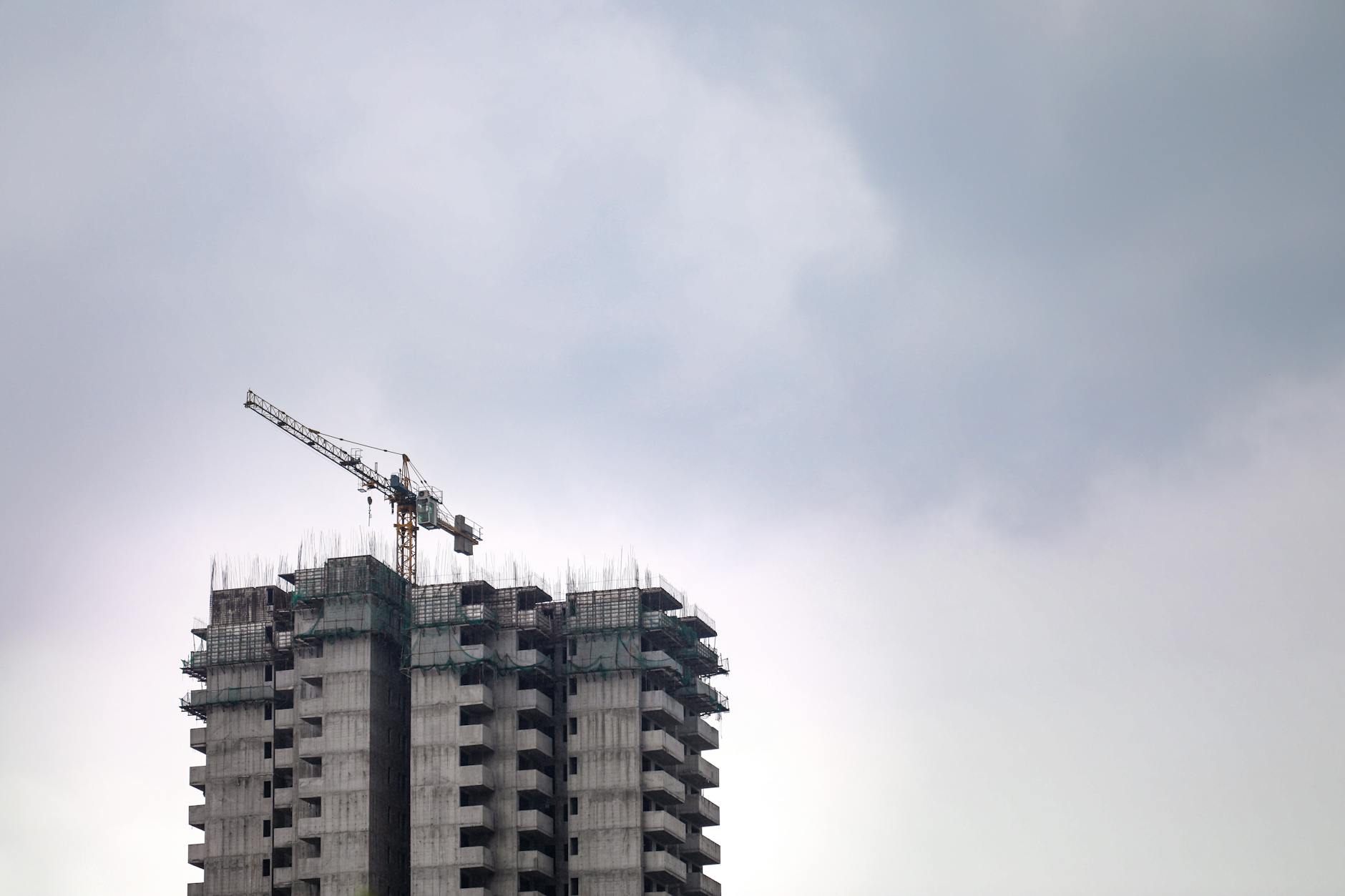
There's a half-finished tower in Jacó I've driven past for a decade. Grey concrete, no windows, rebar turning orange in the salt air. People wired deposits for those units back when the renderings showed an infinity pool and a swim-up bar. Some are still waiting. Most have quietly written the money off.
I moved to Costa Rica in 2014, I've bought and sold property here, and I've sat across the table from developers both excellent and slippery. Pre-construction can work. I've seen buyers get into an Escazú tower at $2,800 per square meter and resell three years later above $3,500. But the downside here is uglier than in the US or Canada, because the legal guardrails you assume exist mostly don't.
Is pre-construction actually cheaper in Costa Rica?
On paper, usually. Developers price the launch phase 10 to 20 percent below projected delivery value, so a unit meant to be worth $300,000 finished might list at $255,000 at the sales trailer stage. That discount is not a gift. It's your compensation for financing their construction and eating their risk.
And that's literally what you're doing. A typical payment schedule runs 10 percent at reservation, 30 to 40 percent in stages during construction, and the balance at delivery. Costa Rican banks rarely fund a developer's full construction cost, so pre-sales are the fuel. No pre-sales, no tower.
Always compare against resale before you sign. For $245,000 you can buy an existing house in Río Oro de Piedades, Santa Ana with a title you can verify at the Registro Nacional this afternoon. Spend one honest hour comparing your pre-construction quote against homes for sale in San José at the same price point. Sometimes the discount evaporates on contact with the actual market.
Where does my deposit go, and can I get it back?
Here's the blunt part. Costa Rica has no law requiring developers to escrow your deposit. None. If you wire $40,000 straight to the developer's SA account at Banco Nacional, that money can legally pay for marketing, old land debt, or the sales office espresso machine.
The fix is a fideicomiso, a trust administered by a bank trust department or a SUGEF-supervised fiduciary. Your payments sit in the trust and get released to the developer only against certified construction progress, verified by an independent CFIA-registered inspector. Good developers offer this structure without being asked. If a developer tells you the trust is unnecessary paperwork, walk. That sentence alone has saved my clients more money than any negotiation trick I know.
Read the reserva agreement too. Many make your deposit non-refundable after a due diligence window of 15 to 30 days. Mark that date on your calendar in red.
What should I verify before signing anything?
Pull the property's folio real at the Registro Nacional. Confirm the developer's corporation actually owns the land, then look for mortgages, annotations, and liens. A heavily leveraged finca means your tower competes with a bank for survival.
Then permits. You want to see the SETENA environmental viability, the municipal construction permit, and the INVU and Ministerio de Salud approvals for the condominium plans. A developer who is "in process" on permits is selling you a maybe. Some maybes take years. Some never land.
Finally, track record. Ask for the developer's last two delivered projects, drive to them, and knock on the condo administrator's door. Ten minutes with an HOA administrator tells you more than the whole sales brochure.
What happens if the tower is delayed or never finished?
Delays are the norm here, not the exception. Budget 6 to 18 months past the promised delivery date and consider anything better a bonus. Penalty clauses in the purchase contract are usually toothless, something like $500 a month with a cap.
And if it fails completely? Suing in Costa Rican civil courts realistically takes four to six years, and a judgment against an empty special-purpose SA gets you a nicely stamped piece of paper. The company that sold you the unit often owns nothing except the project itself. This is why the fideicomiso matters so much. It's the difference between your money sitting in a supervised trust and your money being gone.
There's also a currency wrinkle nobody explains. Your contract is in dollars, but the developer pays workers and materials in colones. The BCCR reference rate sat above ₡680 per dollar in 2022 and has hovered near ₡505 through mid-2026. When the colón strengthens like that, dollar-funded budgets get squeezed hard. Squeezed budgets mean cut corners or stalled cranes.
Here's what nobody tells you: delivery is not title
You can receive keys, move in, furnish the place, and pay HOA fees for months while legally owning nothing registrable. Until the condominium regime under Ley 7933 is inscribed at the Registro Nacional and your individual finca filial is created, there is no property to transfer to your name. I've watched buyers wait 14 months after move-in for title.
During that window you cannot mortgage the unit, you cannot cleanly resell it, and your "ownership" is a contractual claim against the developer. So negotiate it. Make your final payment, or at least a meaningful chunk held in the trust, contingent on your inscribed finca filial. Developers hate this clause. That tells you everything.
What do delivery-day surprises look like?
Smaller than fraud, more common than you'd think. Finishes get swapped because the contract said "porcelanato de primera calidad," which means whatever the developer wants it to mean. The gym is half the rendered size. Your parking spot moved two floors down. Get specifications into the contract by brand and model, and hire your own inspector for the delivery walkthrough. It costs $300 to $500. Cheap insurance.
Then the HOA budget lands. The $180 monthly fee from the brochure becomes $320 once real elevator contracts, real security payroll, and real pool chemistry get priced. At the coast, add corrosion. Salt air eats elevators, railings, and AC condensers at a speed that shocks people from dry climates.
Is a beach tower riskier than a San José tower?
Different, and yes, usually riskier. San José towers in Sabana, Rohrmoser, and the Escazú corridor sell mostly to local professionals, with steady long-term rental demand. Coastal towers live and die on tourism. Browse homes for sale in Puntarenas and count the resale condos inside towers that delivered only two or three years ago. That inventory is your future competition when you exit.
Check the rental math with real numbers, not pro-forma numbers. A decent furnished one-bedroom with a sofa bed and full kitchen rents long-term for about $1,150 a month. If the developer's spreadsheet promises $3,000 a month year-round on short-term rental, someone is lying, possibly to themselves.
My standing advice since 2014: rent in the town for six months before buying anything there. Boring advice. It works.
What are the alternatives if this all sounds like too much?
Buy resale, where the building, the HOA budget, and the title already exist. Or buy a titled lot and build. Something like Lomas de Conchal in Santa Cruz, Guanacaste at $98,000 plus your own CFIA architect gives you control a pre-construction contract never will. Slower, more decisions, more headaches. But you hold registered title from day one.
Pre-construction is a bet on one developer's balance sheet and honesty. Some deserve the bet. Price the risk, put a trust between you and their bank account, and never fall in love with a rendering.
Frequently asked questions
Can foreigners buy pre-construction condos in Costa Rica?
Yes. Foreigners have the same rights as citizens over titled condominium property, and no residency is required. You can buy personally or through your own Costa Rican corporation. Beachfront concession land in the maritime zone is a different regime with real restrictions, but a titled condo tower is not affected.
How much deposit is typical, and is it protected?
Expect 10 to 20 percent at reservation and signing. It is protected only if it sits in a fideicomiso with a regulated fiduciary releasing funds against verified construction progress. There is no escrow law in Costa Rica, so your contract is the only shield you get.
What taxes and fees will I pay at closing?
Transfer tax is 1.5 percent of the registered value, and total closing costs with legal fees and stamps usually run 3 to 4 percent. Annual property tax is 0.25 percent, and the solidarity tax on luxury homes kicks in once construction value passes the threshold, roughly ₡155 million in 2026.
Browse every for-sale and rental listing in Costa Rica on one map, in English or Spanish.